
The Geopolitical Transformation of BRICS
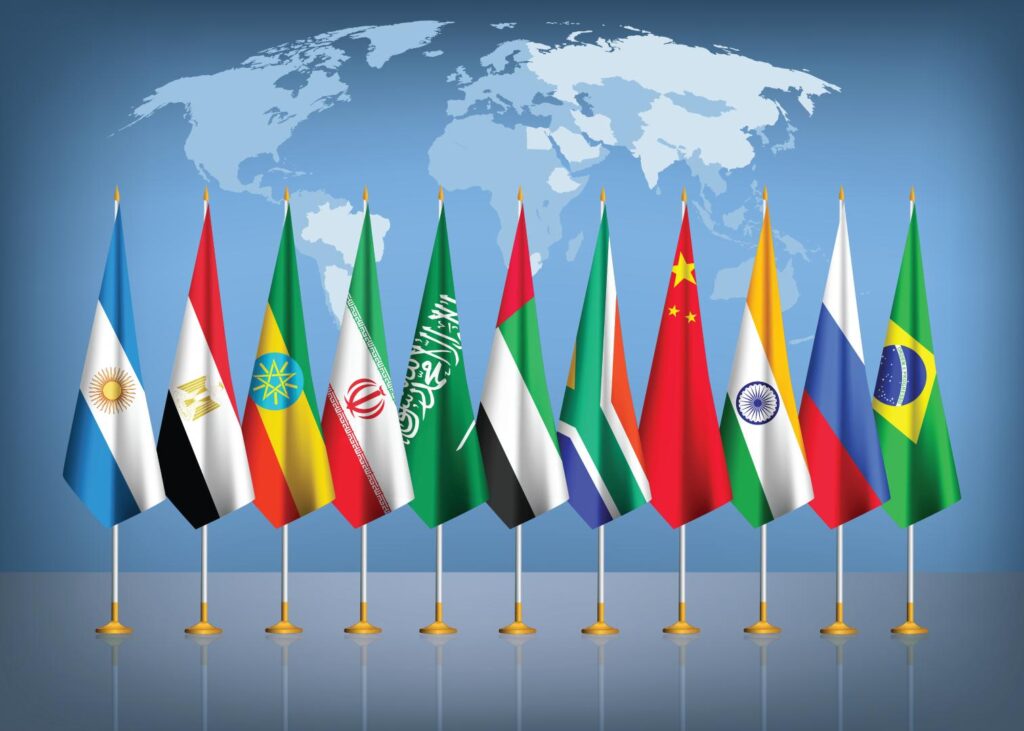
Source: EUROPE SAYS | Original Published At: 2026-09-20 00:01:24 UTC
Key Points
- BRICS originated as a geoeconomic grouping aimed at reforming global institutions rather than overturning them.
- The Ukraine war, Western sanctions, US-China rivalry and dissatisfaction in the Global South have increased BRICS's geopolitical significance.
- The post-2023 expansion added six members, increasing global weight but making consensus harder.
- The 2026 Iran conflict highlighted limits to treating BRICS as a unified geopolitical bloc, while the New Delhi Summit declaration called for restraint and dialogue.
- India's 2026 chairmanship emphasized a developmental agenda covering health, food, energy, technology, AI, digital infrastructure, critical minerals, supply chains and financial cooperation.
- BRICS is not a military alliance or unified economic bloc; its New Development Bank remains small compared with the World Bank, and dollar-reduction efforts are evolutionary.
- The grouping's future depends on managing competing visions and translating shared dissatisfaction into institutions that deliver.