
BRICS Unity Tested After Two Decades of Expansion
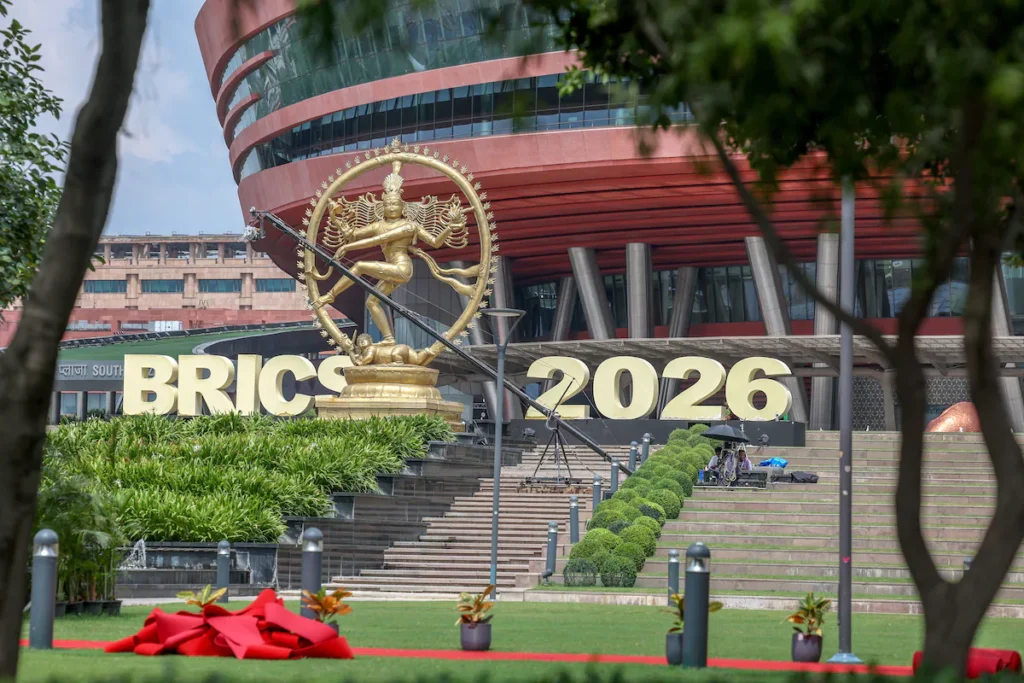
Source: El País | Original Published At: 2026-09-12 11:37:25 UTC
Key Points
- India hosts the BRICS summit marking 20 years since the group's political launch; BRICS now has 11 members and represents about half the world population and around 40% of global GDP in purchasing power parity terms.
- The expansion has increased BRICS' economic weight but also exposed deep divisions over the United States, the future international order, the war in Ukraine, and the conflict involving Iran.
- After foreign ministers failed to agree in May over U.S. and Israeli strikes on Iran and accusations against the United Arab Emirates, summit negotiators unanimously approved a joint declaration condemning unilateral use of force without naming specific countries.
- India, holding the rotating presidency, seeks to present the summit as a diplomatic success and promote a non-Western but not explicitly anti-Western order, while balancing relations with Russia, China, and the United States.
- Russian President Vladimir Putin met Indian Prime Minister Narendra Modi and called for a practical economic alliance focused on infrastructure, investment, and alternative payment systems; both countries aim to raise bilateral trade from about $70 billion to $100 billion by 2030.
- Chinese President Xi Jinping traveled to India for the first time since 2019 amid a cautious thaw, although territorial disputes, trade deficits, and competition for leadership of the Global South persist.
- Donald Trump, then U.S. president-elect, threatened 100% tariffs if BRICS created a common currency; local currencies account for around 20% of intra-BRICS transactions, according to South China Morning Post estimates.