
BRICS vs G7: Comparative strengths in population, economy, energy and military power in 2026
Source: Business Today | Original Published At: 2026-09-10 04:00:36 UTC
Key Points
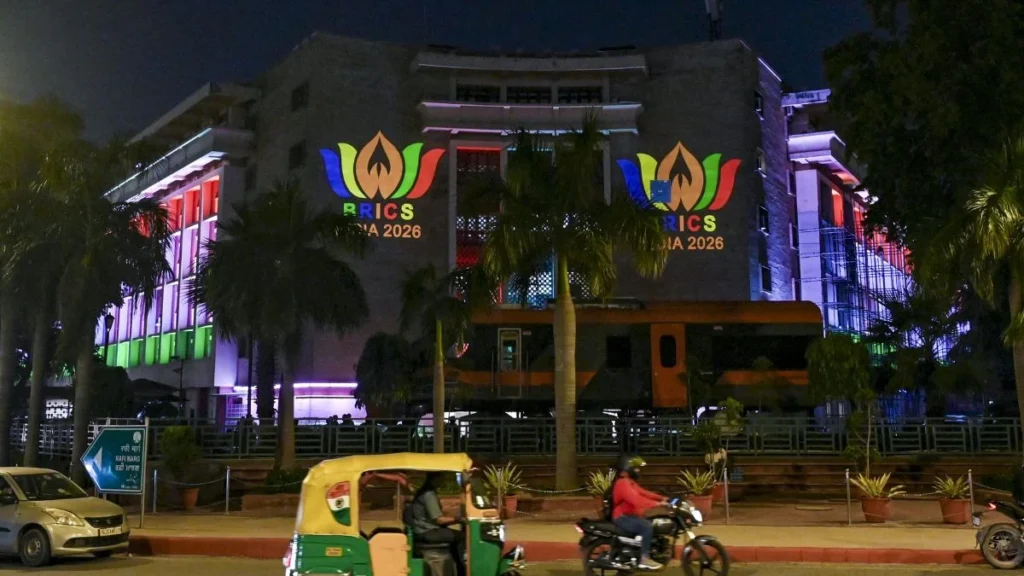
- India's 2026 BRICS chairship focuses on resilience, innovation, cooperation and sustainability, with priorities including economic cooperation, digital public infrastructure, energy and food security, healthcare, climate action and global institutional reform.
- The expanded BRICS grouping has 11 members and accounts for roughly half of the world's population and around 40% of global GDP.
- In purchasing-power-parity terms, BRICS has overtaken the G7, while in nominal-dollar GDP the G7 remains larger, led by the United States.
- BRICS has advantages in population size, energy and commodity influence, trade reach, and access to financing through the New Development Bank.
- The G7 retains concentrated financial, technological and military power, supported by the dollar's reserve role and NATO-linked defence partnerships.
- BRICS faces internal political divisions, including China-India competition and differing regional interests, while India resists framing BRICS as an anti-Western bloc.