
Source: Kyiv Post | Original Published At: 2025-06-11 00:06:53 UTC
Key Points
- EU proposes reducing Russian oil price cap from $60 to $45/barrel
- EC President Ursula von der Leyen emphasizes 'strength' as the only language Russia understands
- G7 meeting in Alberta coincides with sanctions proposal
- BRICS members (Russia, China, Iran, UAE, Brazil) dominate global oil production rankings
- EU spends more on Russian energy than financial aid to Ukraine
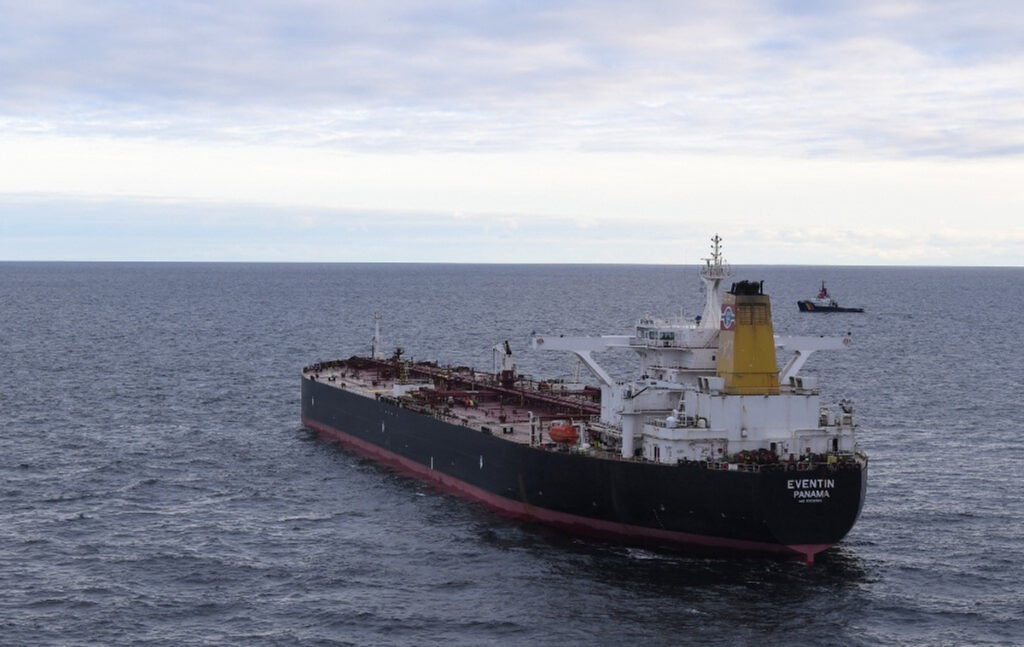
The European Commission (EC) on Tuesday proposed slashing the price cap on Russia’s global oil exports from $60 to $45 per barrel to add pressure on a Kremlin leadership that has been delaying meaningful peace talks with Ukraine.
“We are ramping up pressure on Russia, because strength is the only language that Russia will understand,” EC President Ursula von der Leyen said.
“Our message is very clear, this war must end. We need a real ceasefire, and Russia has to come to the negotiating table with a serious proposal,” she said.
On Tuesday, the price of West Texas Intermediate (WTI) crude, a common benchmark for oil’s spot price on the open market, hovered around $65 per barrel, as did a similar benchmark, Brent crude, named after a European oilfield in the North Sea.
The proposed 25 percent squeeze on Moscow’s revenues comes as the G7 nations plan to meet in Kananaskis, Alberta, next week (incidentally, the largest oil-producing province in Canada: Think Edmonton Oilers hockey team.)
While the G7 includes two of the world’s top-ten oil producers (the US at No. 1 and Canada at No. 4), Moscow’s competing BRICS coalition holds five of them (Russia at No. 3, China at No. 5, Iran at No. 7, the UAE at No 8 and Brazil at No. 9).
None of those countries formally has agreed to adhere to Western sanctions on Russia. India, in fact, which along with China are the top two global consumers of crude, relies on Russia as its number-one oil supplier. The vast majority of countries around the world do not adhere to Western sanctions on Russia.
“EU member states bought €21.9B [$25B] of Russian oil and gas in the third year of the war, according to estimates from the Centre for Research on Energy and Clean Air, despite the efforts under way to kick the continent’s addiction to the fuels that fund Vladimir Putin’s war chest.
“The amount is one-sixth greater than the €18.7B [$21.4B] the EU allocated to Ukraine in financial aid in 2024, according to a tracker from the Kiel Institute for the World Economy,” the Guardian wrote.