
BRICS Is Divided on Iran. So Are NATO and the G-7.
Source: Foreign Policy | Original Published At: 2026-03-18 18:10:50 UTC
Key Points
- BRICS has failed to articulate a unified response to U.S. and Israeli strikes against Iran, with members like Brazil and China condemning the attacks while India has not and South Africa remains neutral.
- BRICS was never designed as a formal geopolitical alliance but rather as a platform for emerging powers to coordinate selectively and hedge against geopolitical uncertainty.
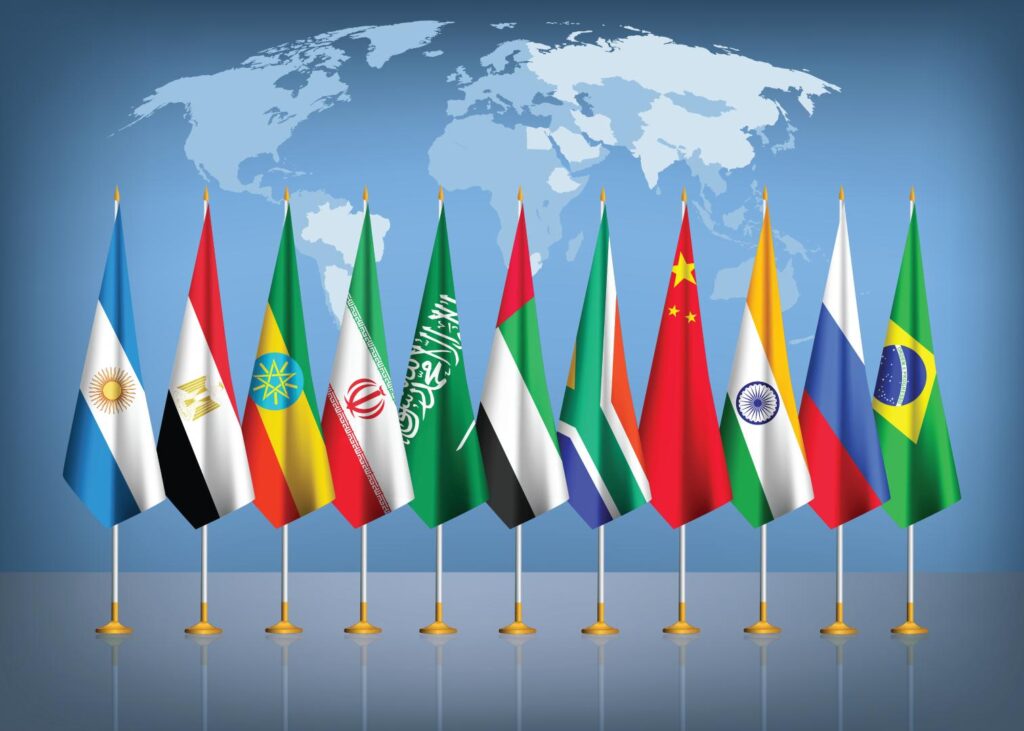
- The 2024 BRICS expansion adding Egypt, Ethiopia, Iran, and UAE has made internal contradictions more visible and complicated decision-making, including on UN Security Council reform.
- At last year's BRICS foreign ministers' meeting, representatives were unable to agree on a joint statement for the first time in the group's history.
- NATO and G-7 also show divisions on the Iran conflict, with Spain calling the attacks a violation of international law and Germany stating 'this is not our war.'
- BRICS focuses primarily on economic and institutional issues including IMF/World Bank reform, New Development Bank financing, and reducing dependence on the U.S. dollar.
- BRICS heads of government will meet in India later this year for their 18th leaders' summit, focused on digital infrastructure and artificial intelligence cooperation.