
How BRICS can become a platform that helps businesses build together
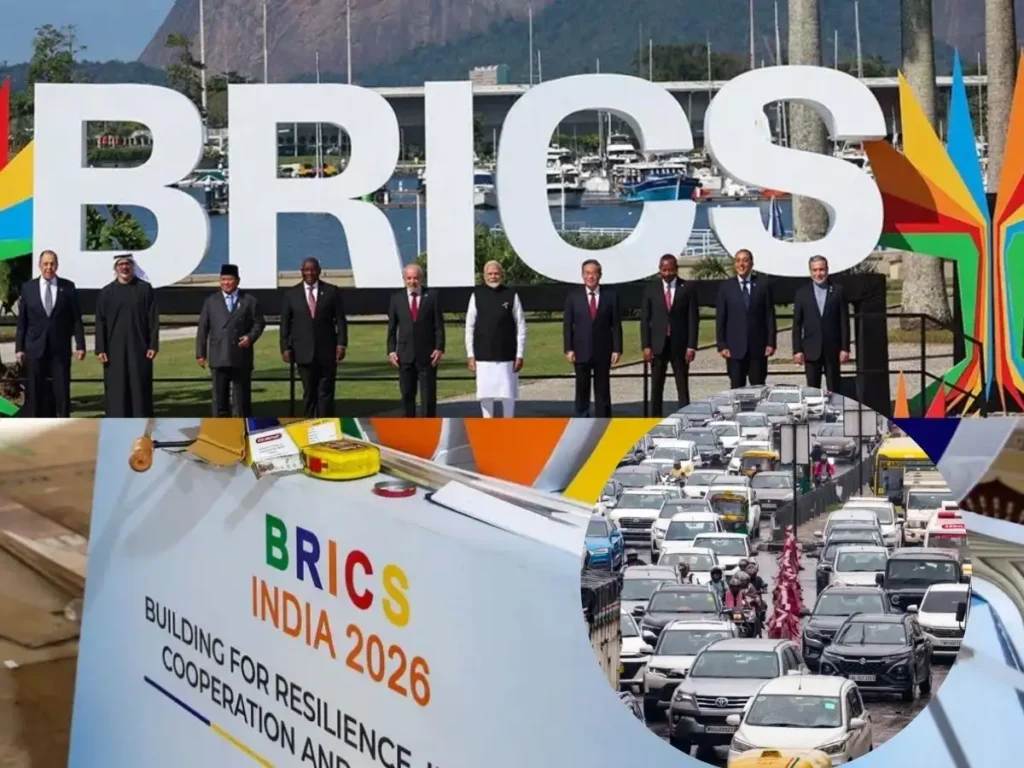
Source: The Economic Times | Original Published At: 2026-09-07 17:54:41 UTC
Key Points
- BRICS is described as an informal platform of 11 countries with different political systems, economic priorities, and strategic interests.
- The article argues that consensus-based outputs such as working groups and joint statements may not move the real economy unless they support business projects, cost reduction, market deepening, or supply-chain security.
- It recommends minilateral coalitions of three to four BRICS members to execute sector-specific cooperation while the broader BRICS framework provides direction and legitimacy.
- It highlights critical minerals and clean-energy supply chains, suggesting Brazil and South Africa partner with India, Gulf capital, and China to move from raw-material exports to higher-value production.
- It proposes cooperation on nuclear power and advanced energy technologies, citing potential growth in global nuclear capacity and complementary capabilities of Russia, China, and India.
- It suggests coordinated strategic material stockpiles supported by the New Development Bank to improve supply security and resilience.
- It frames BRICS diversity as a strength, with participation based on capability and interest rather than forced consensus.