
Can BRICS Build a Payment Ecosystem Without Becoming a Financial Bloc?
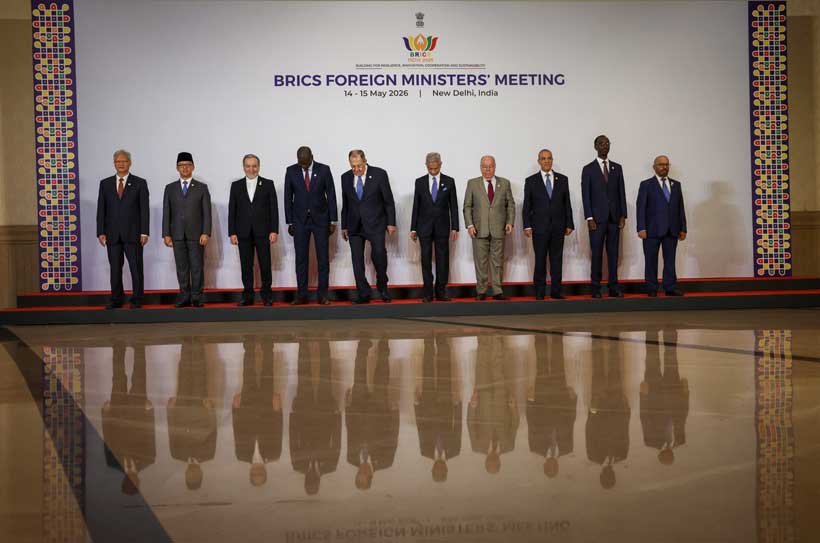
Source: Modern Diplomacy | Original Published At: 2026-09-03 22:00:32 UTC
Key Points
- BRICS payment expansion may occur without a new currency or a sharp decline in dollar reserves; the dollar accounted for 57.13% of allocated global reserves in the first quarter of 2026, while the renminbi held 1.99%.
- Under India's 2026 BRICS presidency, members are discussing links between domestic fast-payment systems and central bank digital currencies, though proposals remain at the discussion stage.
- The 2025 Rio de Janeiro Declaration called for further work on the BRICS Cross-Border Payments Initiative, including interoperability with payment systems beyond BRICS.
- BRICS Pay is associated with the BRICS Business Council and is described as a distributed network of gateways that could include non-members and partner countries.
- Member motivations differ: Russia and Iran seek sanctions resilience, China expands CIPS, India promotes UPI and rupee use while maintaining ties with the United States, and the UAE and Indonesia pursue diversified settlement channels.
- US tariff threats tied to alleged BRICS anti-American policies raise political costs and create pressure to keep the payment architecture modular rather than explicitly anti-Western.
- The article compares BRICS with Nexus Global Payments, arguing that interoperability does not require a geopolitical bloc, while governance issues such as anti-money-laundering controls, cybersecurity, settlement finality, and dispute rules remain central.