
Even without wins, Musk’s party may be threat to Trump: analysts
Source: Arab News | Original Published At: 2025-07-08 01:21:28 UTC
Key Points
- Trump imposes 25% tariffs on Japan and South Korea, with higher rates on other nations
- Tariff hikes risk economic slowdown and diplomatic tensions with key allies
- Unilateral tariff setting bypasses congressional authority and faces legal challenges
- Administration cites funding tax cuts as rationale for tariffs
- BRICS-aligned countries face potential additional 10% tariffs
Trump to put 25 percent tariffs on Japan and South Korea, new import taxes on 12 other nations.
WASHINGTON: President Donald Trump on Monday set a 25 percent tax on goods imported from Japan and South Korea, as well as new tariff rates on a dozen other nations that would go into effect on Aug. 1.
Trump provided notice by posting letters on Truth Social that were addressed to the leaders of the various countries. The letters warned them to not retaliate by increasing their own import taxes, or else the Trump administration would further increase tariffs.
“If for any reason you decide to raise your Tariffs, then, whatever the number you choose to raise them by, will be added onto the 25 percent that we charge,” Trump wrote in the letters to Japanese Prime Minister Shigeru Ishiba and South Korean President Lee Jae-myung.
The letters were not the final word from Trump on tariffs, so much as another episode in a global economic drama in which he has placed himself at the center. His moves have raised fears that economic growth would slow to a trickle, if not make the US and other nations more vulnerable to a recession. But Trump is confident that tariffs are necessary to bring back domestic manufacturing and fund the tax cuts he signed into law last Friday.
He mixed his sense of aggression with a willingness to still negotiate, signaling the likelihood that the drama and uncertainty would continue and that few things are ever final with Trump.
Imports from Myanmar and Laos would be taxed at 40 percent, Cambodia and Thailand at 36 percent, Serbia and Bangladesh at 35 percent, Indonesia at 32 percent, South Africa and Bosnia and Herzegovina at 30 percent and Kazakhstan, Malaysia and Tunisia at 25 percent.
Trump placed the word “only” before revealing the rate in his letters, implying generosity. But the letters generally followed a standard format, so much so that the one to Bosnia and Herzegovina initially addressed its leader, Željka Cvijanović, as “Mr. President.” Trump later posted a corrected letter.
White House press secretary Karoline Leavitt said Trump was creating “tailor-made trade plans for each and every country” through these rates.
Following a now well-worn pattern, Trump plans to continue sharing the letters on social media and then mail them, a stark departure from predecessors’ formal practices. The letters are not agreed-to settlements but Trump’s unilateral rate choices, signaling failed closed-door talks.
Wendy Cutler, vice president of the Asia Society Policy Institute, called the tariff hikes on Japan and South Korea “unfortunate,” noting their partnership on economic security matters like semiconductors and critical minerals.
Trump still has unresolved trade differences with the EU and India. Tougher talks with China loom, with imports taxed at 55 percent. South Africa’s government criticized the rates as mischaracterizing its trade relationship but pledged diplomatic efforts toward balance.
The S&P 500 fell 0.8 percent Monday, while 10-year Treasury yields rose to 4.39 percent, potentially elevating mortgage and auto loan rates.
Trump declared an economic emergency to impose tariffs unilaterally, though courts have challenged his authority. His strategy against China risks alienating key Asian partners Japan and South Korea, whose economic strength counters China’s.
“These tariffs may be modified, upward or downward, depending on our relationship with your Country,” Trump wrote.
Because rates take effect in three weeks, Trump sets up tempestuous negotiations. Scott Lincicome of the Cato Institute said, “I don’t see a huge escalation or a walk back — it’s just more of the same.”
Trump initially roiled markets by announcing tariff rates, then introduced a 90-day negotiating period with baseline 10 percent taxes. Rates in his latest letters generally match or closely follow April 2 tariffs.
Administration officials say Trump relies on tariff revenues to offset tax cuts, shifting tax burdens onto the middle class and poor as importers pass costs to consumers. Trump warned retailers like Walmart to “eat” higher costs instead of raising prices.
Josh Lipsky of The Atlantic Council said the three-week delay was unlikely to enable meaningful talks, signaling Trump’s seriousness about most tariffs.
Trump’s team promised 90 deals in 90 days but produced only two frameworks: Vietnam (to block China’s trade rerouting) and the UK (quoting steel, aluminum, and autos). The US ran $69.4 billion and $66 billion trade deficits with Japan and South Korea in 2024.
Autos face 25 percent tariffs globally, while steel and aluminum imports are taxed at 50 percent. Past deals with Japan (2019) and South Korea (2018) failed to resolve imbalances.
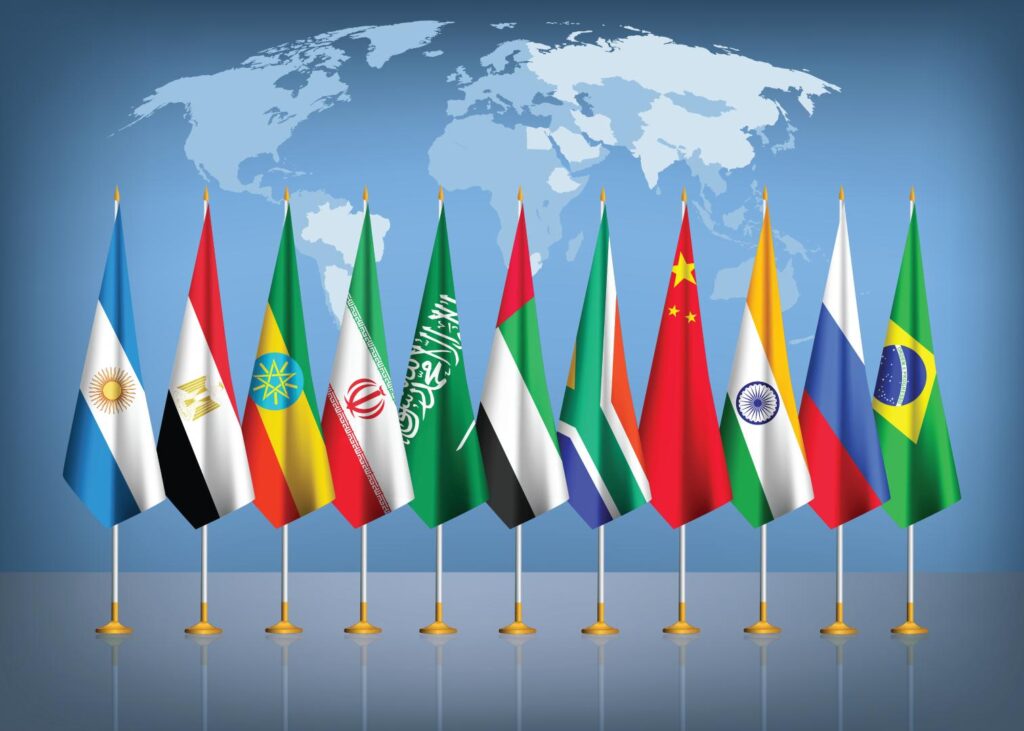
Trump also threatened additional 10 percent tariffs on BRICS-aligned countries (Brazil, Russia, India, China, South Africa, Egypt, Ethiopia, Indonesia, Iran, UAE).”